
Despite our frequent condemnation of mediocrity and corruption, we paradoxically aspire to emulate the development models of cities such as Singapore and Dubai. However, real progress is measured not merely by aspiration, but by commitment to fundamental principles such as urban order, law enforcement, and infrastructural discipline.
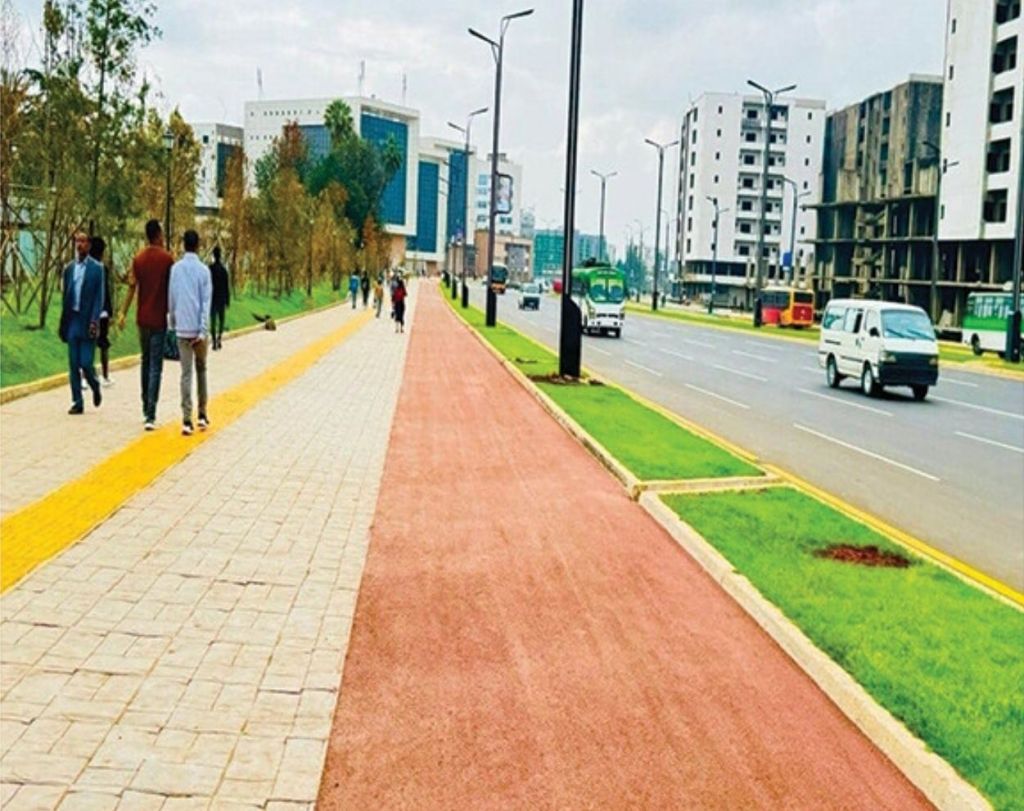
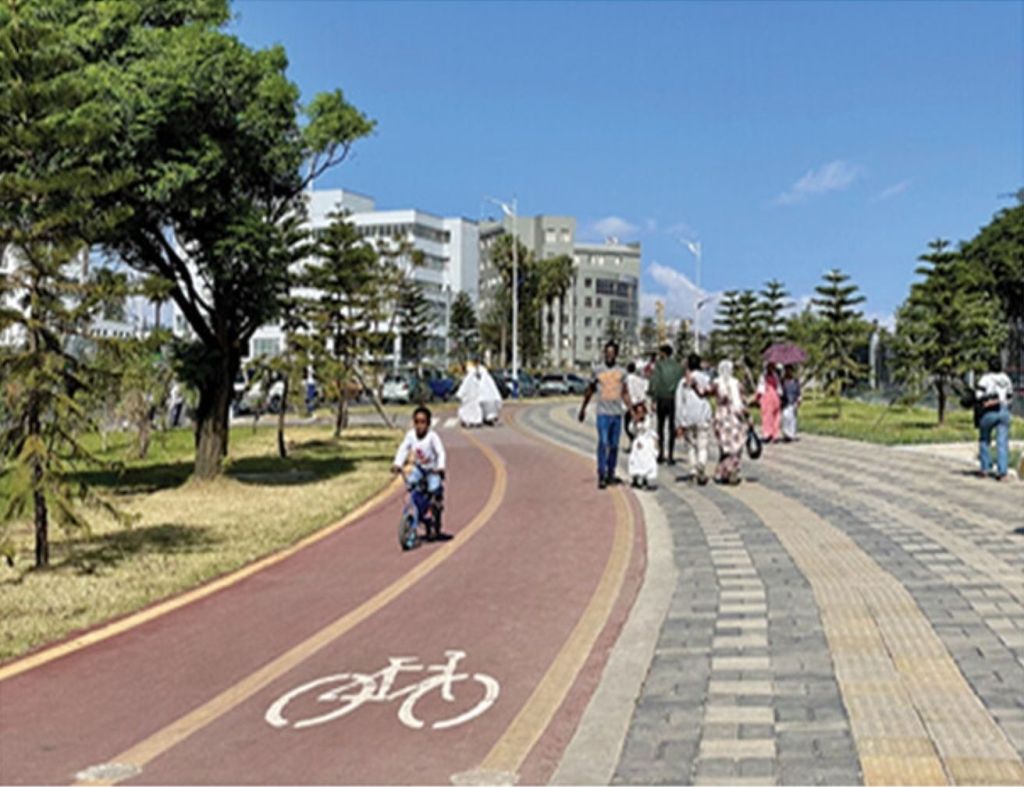
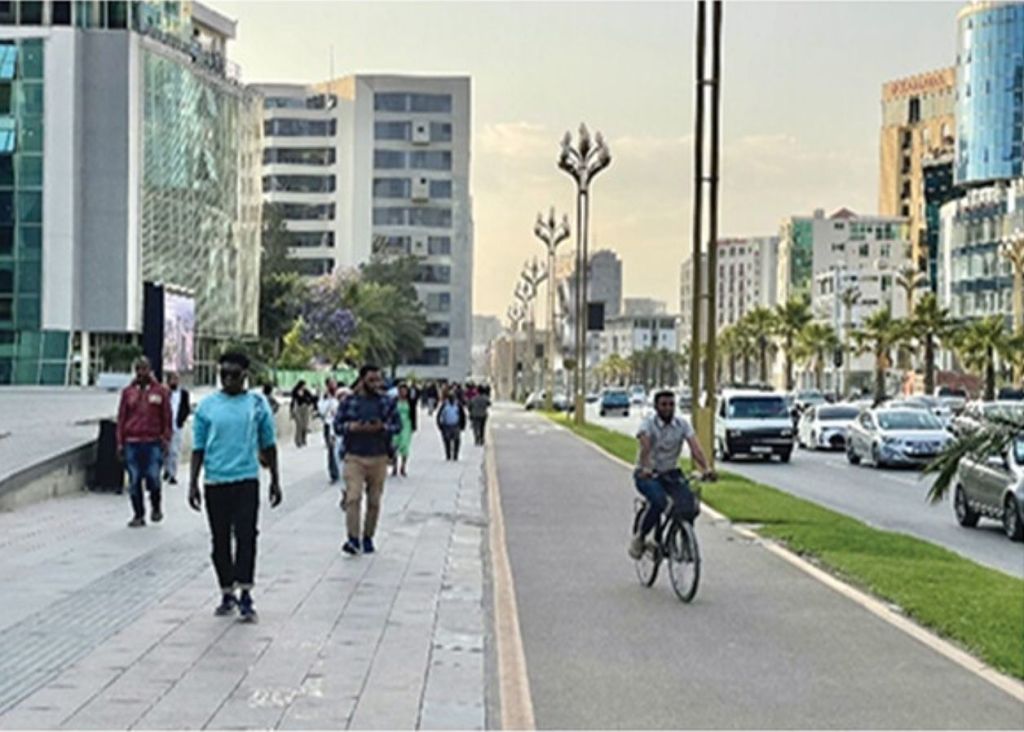
This morning, rather than showcasing images of the aforementioned global cities, I draw attention to our northern neighbour, Ethiopia. The country is actively pursuing urban development through upgrades to its infrastructure and a robust enforcement of law and order. Notably, there is a strong emphasis on creating walkable, organized cities—an essential component of modern urban planning.
One of Ethiopia’s key policy implementations involves the removal of illegal structures erected on road reserves. This approach has underscored a critical weakness in Kenya’s urban governance. We have a widespread tendency to encroach upon any available public space, and when authorities intervene, the default response often becomes a populist outcry of “Haki yetu” (“It is our right”), which undermines lawful planning.
A relevant case study is the Mombasa-Kilifi-Malindi Highway, a project funded by the African Development Bank (ADB). The development stalled in Bombolulu for an extended period due to people who had illegally encroached on the road reserves and subsequently demanded compensation. This situation reflects the broader systemic problem: while we clamor for the order seen in places like Singapore or Cape Town, we simultaneously resist the very regulations required to achieve such order.
Consider also the road leading from Mombasa Airport, which was once lined with informal kiosks and marked by general disorder. Today, although kiosks remain, they occupy designated private land and adhere to hygiene and spatial regulations. This illustrates that kiosks—representing small and medium-sized enterprises (SMEs)—do not inherently signify disorder; rather, it is the lack of regulation that fosters chaos. When properly managed, such businesses can exist harmoniously within an organized urban landscape.
If we genuinely desire improved living standards and urban environments, then we must equally embrace law and order. Citing poverty as a justification for illegality is reductive and counterproductive. For example, many Kenyans protested the demolition of the Nakumatt outlet along the old Thika Highway. Yet today, that area hosts several malls and thriving businesses, made possible by infrastructural upgrades that followed the clearance.
As a nation, we must unite in support of urban planning initiatives grounded in law and equity. Elsewhere in Africa—cities like Dar es Salaam, Kigali, and Addis Ababa—such discipline is actively enforced, and the results are visible. These cities do not tolerate the disorder of illegal encroachment on public infrastructure.
Finally, to elected officials—Members of County Assemblies (MCAs) and Members of Parliament (MPs)—it is imperative to rise above populist politics. Instead of endorsing illegal encroachment, leaders should prioritize the creation of pedestrian walkways and cycling lanes. Sustainable development cannot coexist with impunity.
As always I choose to remain an optimist that we should NOT just aim.to build grand imposing buildings we must spend more time in urban planning and more importantly excute those plans in a RUTHLESS manner.
Mohammed Hersi
Mombasa
Kenya National Highways Authority
Council of Governors-Kenya

 Mohammed Hersi . A hotelier passionate about Tourism & Governance in Africa
Leave a comment